
The world is starting to see the gradual decline of Facebook, with 15 million US users dropping off between 2017 and last year. Nonetheless, Facebook remains the largest social network in the world.

The world is starting to see the gradual decline of Facebook, with 15 million US users dropping off between 2017 and last year. Nonetheless, Facebook remains the largest social network in the world.
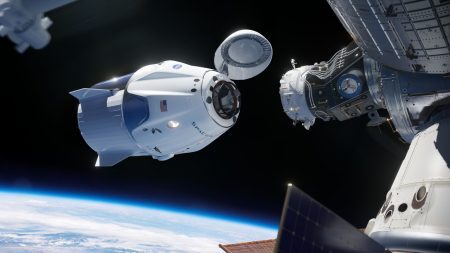
Last year was an excellent year for space exploration, with the icing on the cake the first ever image acquired of a black hole by the Event Horizon Telescope. This year, 2020, is set to be interesting too. Here’s what to look out for.

The line between toy, gadget and professional device is blurrier than ever, as manufacturers churn out products including drones for kids and plush toys with hidden nanny cams.

Whether you’re an athlete trying to gain the competitive edge, a weekend warrior tracking progress or someone who is just trying to improve your health, consider heart rate a valuable tool in understanding the work of your amazing body as it achieves those first steps, that next 5K or even Olympic gold.

Like it or loathe it, the robot revolution is now well underway and the futures described by writers such as Isaac Asimov, Frederik Pohl and Philip K. Dick are fast turning from science fiction into science fact. But should robots have rights? And will humanity ever reach a point where human and machine are treated the same?
There’s no shortage of dire warnings about the dangers of artificial intelligence these days. Modern prophets, such as late physicist Stephen Hawking and investor Elon Musk, foretell the imminent decline of humanity. With the advent of artificial general intelligence and self-designed intelligent programs, new and more intelligent AI will appear, rapidly creating ever smarter machines that will, eventually, surpass us.

As of the third quarter of 2019, music streaming giant Spotify had 113 million paid subscribers worldwide — but it’s still missing some famous albums that many listeners feel they can’t live without. And in today’s digital world, it can be expensive and difficult to get a physical copy of those missing albums.

The video games industry is worth more than movies and music combined, with more than 2.5 billion players around the world. Freemium games have driven much of the success, ever since titles like Angry Birds, Farmville and Candy Crush emerged in the late 2000s and early 2010s.

Love them or hate them, smartphones have become ubiquitous in everyday life. And while they have many positive uses, people remain concerned about the potential negative harms of excessively using them – especially in children and teens

The nation’s second-largest health system, Ascension, has agreed to allow the software behemoth Google access to tens of millions of patient records. The partnership, called Project Nightingale, aims to improve how information is used for patient care. Specifically, Ascension and Google are trying to build tools, including artificial intelligence and machine learning, “to make health records more useful, more accessible and more searchable” for doctors.