
Author: The Conversation

Suffering a quarantine dip in mood? Struggling to find motivation to do anything? You are not alone. Just six weeks of chronic stress can lead to depressive symptoms, even in people without a prior diagnosis. We are past that six-week point in this pandemic and you may be experiencing a depressed mood unlike anything you’ve experienced before. Our research in the NeuroFit lab at McMaster University shows that exercise can prevent stress-induced depression. A brisk 30-minute walk three times a week is enough. But even under the best circumstances, nearly half of young adults and 70 per cent of older adults find it difficult to be…

Read More

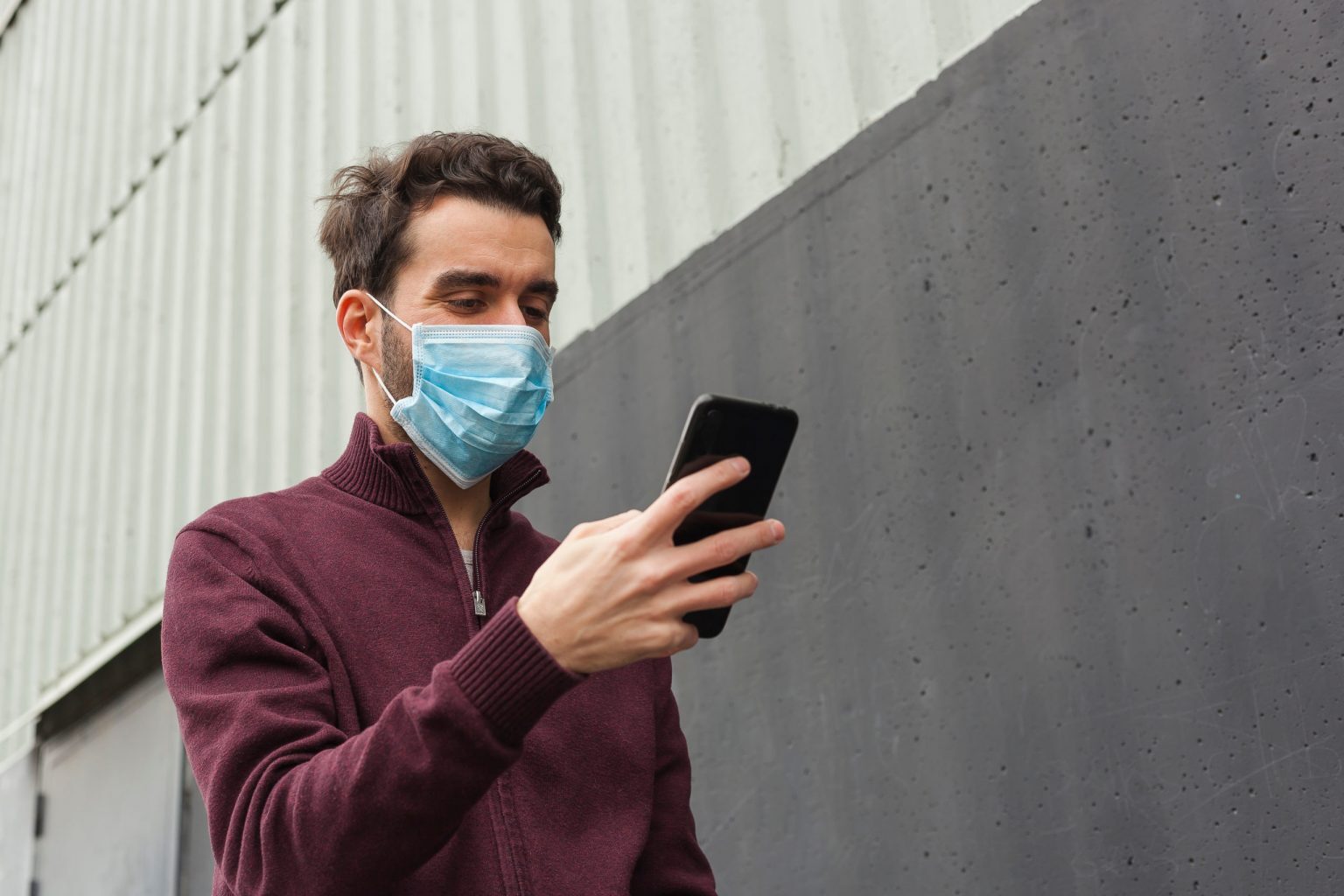
Many African countries now require people to wear a mask when out in public. This is part of the effort to stop COVID-19 from spreading. Cloth masks reduce the number of droplets that are spread into the environment when people breathe, cough or sneeze.

Read More

The declaration of the novel coronavirus as a pandemic was a call to arms for governments to take urgent and immediate action. However, many feel the response from some countries was too little, too late. Despite this, people took early action to protect themselves, their families and their communities. Some reacted by panic buying and stockpiling goods, revealing how fragile supply chains were (although Brexit previously raised this issue). Communities also mobilised themselves to reach out to vulnerable and isolated people and to help solve their problems, often using social network platforms such as Facebook and WhatsApp to create groups centred around a geographical location to…

Read More

South Africa’s education system is complex, with historical inequalities dating back to apartheid. Most of the country’s pupils come from disadvantaged backgrounds. Language is an issue; most pupils do not speak English as a mother tongue, yet English dominates in many classrooms. And, as the COVID-19 crisis has showed, there’s a huge digital divide at play. The ongoing effects of the virus have kept pupils and teachers at home. This has necessitated a move to e-learning. In theory, this could be an important step towards a fairer education system. Digital platforms enable equitable access for learners to digital books, simulated science labs and related innovative learning resources. Electronic and mobile…

Read More