When it comes to fighting COVID-19 in Africa, the internet and social media have been a double-edged sword. Governments and public health officials have used Twitter, WhatsApp, Facebook and other social media to reach large numbers of people, quickly and efficiently, with information on how to stay healthy and limit the virus’s spread. And digital networks have allowed people to stay in touch, and some businesses to operate, in the face of lockdowns and social-distancing guidelines.
Author: The Conversation
The coronavirus pandemic has sped up changes that were already happening across society, from remote learning and work to e-health, supply chains and logistics, policing, welfare and beyond. Big tech companies have not hesitated to make the most of the crisis.
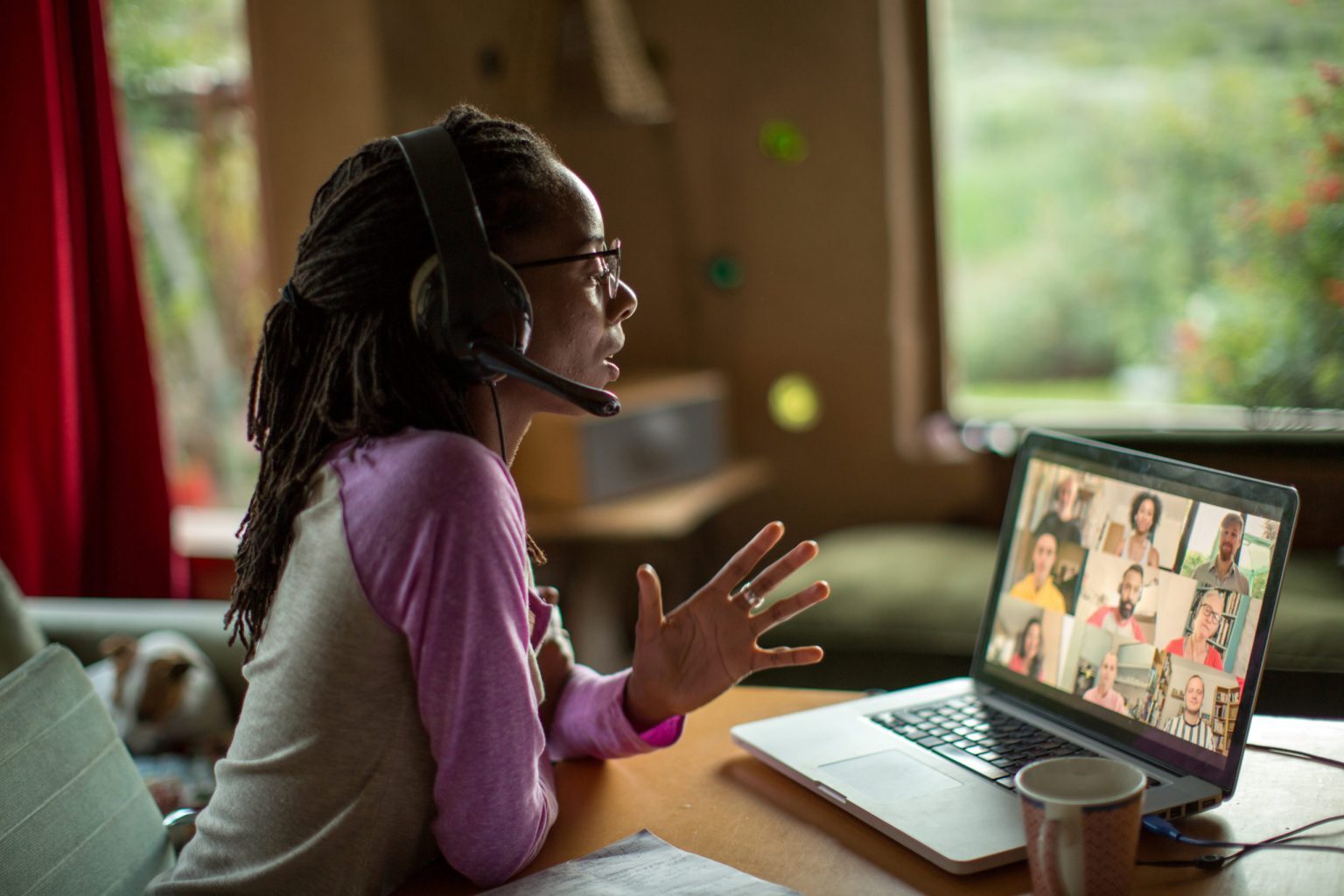
From churchgoers to nursery school children, video calls, conferences and quizzes have become a lifeline at this time. But this has also meant the boundary between work and family life has become blurred and unbalanced – with notifications, calls and messages, interrupting mealtimes and conversations. And herein lies part of the problem, because research has found that breaks from work where we engage with our smartphones – to play games or scroll through social networks – are less effective or restorative than conventional breaks such as walking or napping. This is in part why we have started a new research project to find out…
Here are some tricks you can use to avoid giving online platforms your personal information. Some ways to limit your exposure include using “alternative facts”, using guest check-out options, and a burner email.
Amazon has taken a step into the highly lucrative world of gaming by releasing its first title, Crucible. A team-based action shooter, it hopes to rival industry giants like Fortnite. What makes the game unique is that it was developed to be as fun to watch as it is to play. This is because it was created with the company’s gaming live-streaming platform Twitch in mind
Two NASA astronauts, Robert Behnken and Douglas Hurley, will make history by travelling to the International Space Station in a privately funded spacecraft, SpaceX’s Falcon 9 rocket and Crew Dragon capsule. But the launch, which was due to take place on May 27, has been aborted due to bad weather, and will instead take place on May 30 at 3:22 pm EDT.
Thermal cameras are already being implemented as a means of detecting people with fever-like symptoms in high-traffic areas such as hospital entrances, shopping centres and office buildings, and potentially mass-attendance sporting events when they resume.
Human spaceflight is incredibly difficult and expensive; the rockets must be reliable and the vehicle must be built with expensive life support systems and a certain level of redundancy. To date, only three countries – Russia, the United States and China – have achieved this feat.
Time and frequency standards are a key part of technologies we have come to rely on in our daily lives, from GPS navigation and cellphone networks to the electrical power grid. The importance of these systems and the constant drive to improve their performance has led to the development of atomic clocks that keep time and measure frequency with incredible accuracy.
Suffering a quarantine dip in mood? Struggling to find motivation to do anything? You are not alone. Just six weeks of chronic stress can lead to depressive symptoms, even in people without a prior diagnosis. We are past that six-week point in this pandemic and you may be experiencing a depressed mood unlike anything you’ve experienced before. Our research in the NeuroFit lab at McMaster University shows that exercise can prevent stress-induced depression. A brisk 30-minute walk three times a week is enough. But even under the best circumstances, nearly half of young adults and 70 per cent of older adults find it difficult to be…