
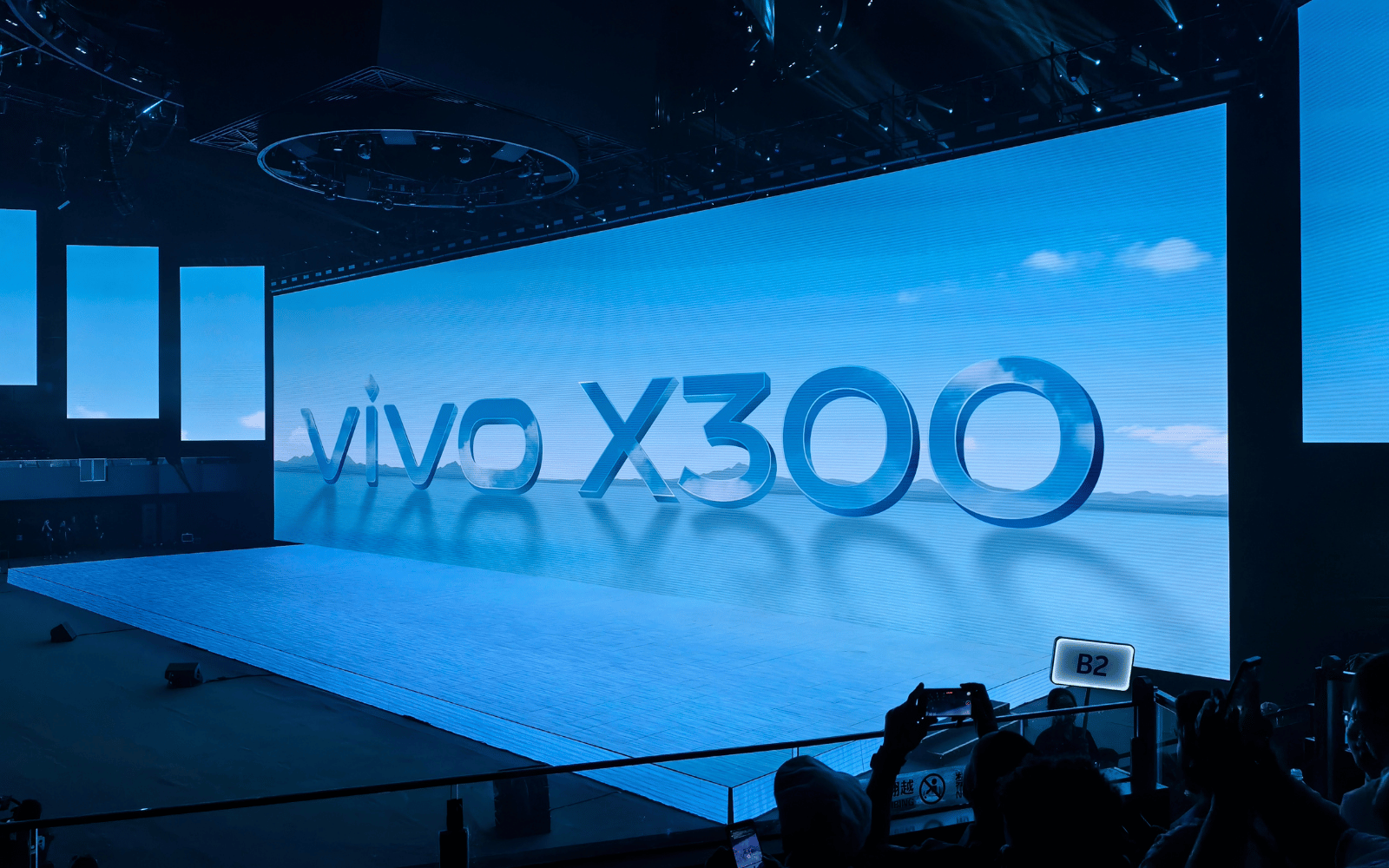
Vivo announced its new X300 series flagship smartphones last night at its debut launch event in Shanghai, China. The Vivo X300 and X300 Pro follow on from the X200 Ultra launched earlier in the year.
While the latter device skipped the South African market, the incoming X300 series seems to bridge the gap that typically exists between pro- and ultra-level devices, so much so that it’s hard to tell where the soon-to-follow X300 Ultra will fit in.
Vivo X300 wants to snap your pics
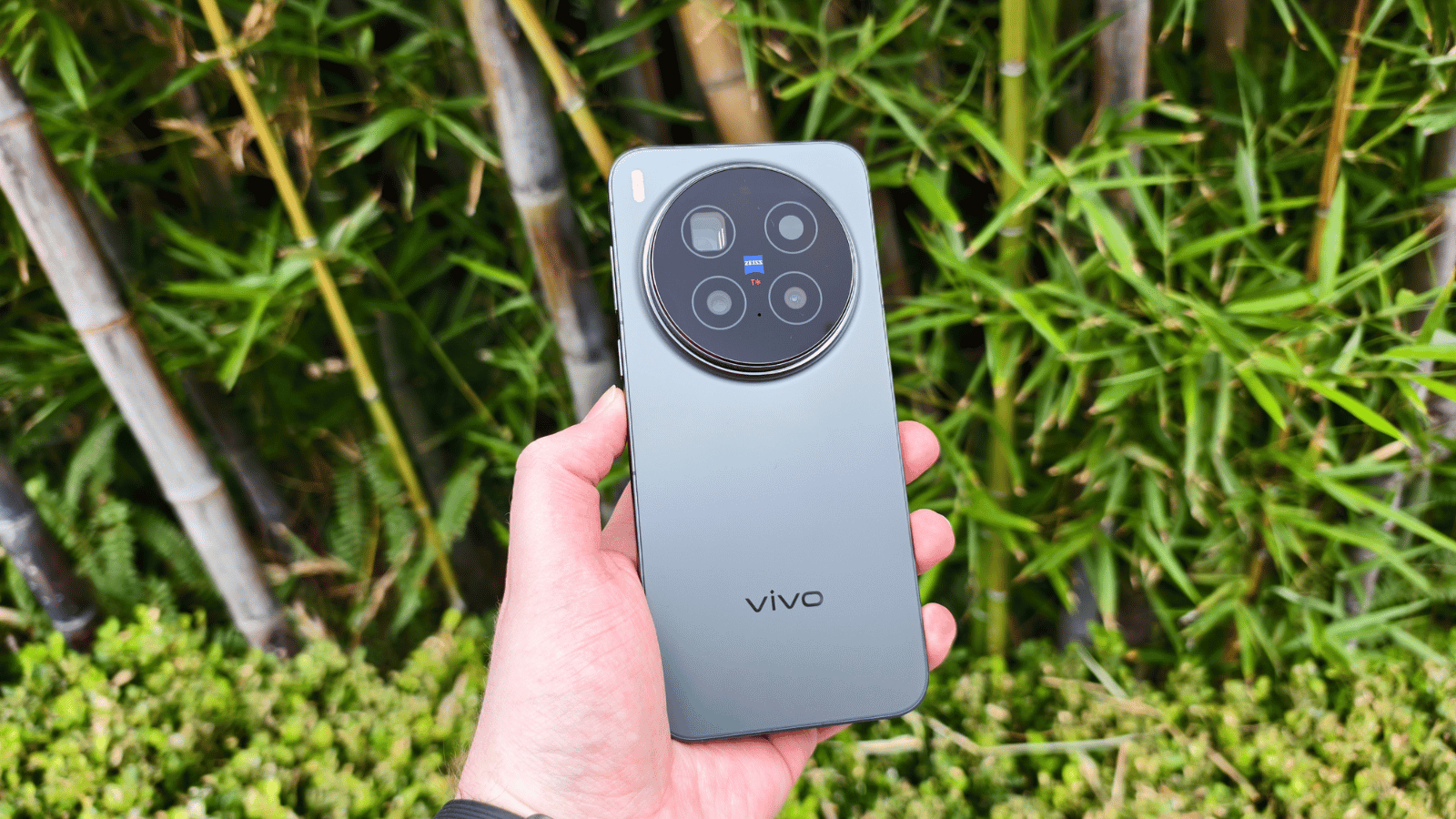
Like the X200 series it succeeds, the X300 puts camera performance front and centre. Both the X300 and X300 Pro feature a new 200MP imaging sensor, co-developed with Samsung.
It is employed as the X300 Pro’s telephoto camera, which (on paper at least) seems to rival the X200 Ultra’s specs, albeit with slight differences — sporting a slightly slower f/2.67 aperture. It is joined by a pair of 50MP sensors for main and ultra-wide camera duties, with the former using Sony’s brand new LYT-828 sensor.
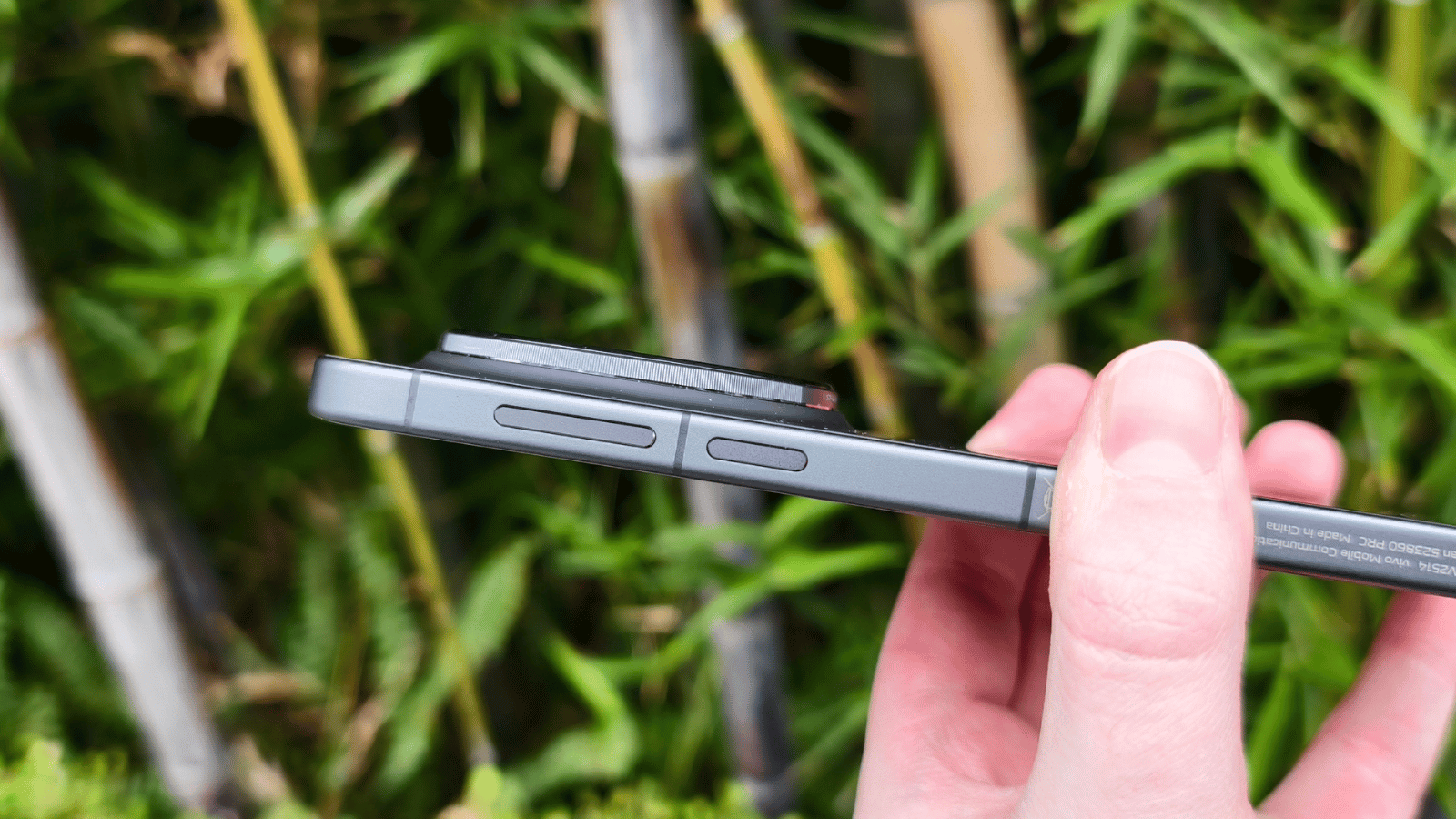
The same 200MP HPB sensor also shows up in the base Vivo X300 as the main sensor, with a quick f/1.7 aperture. Another pair of 50MP sensors completes the rear camera trio, as the telephoto and ultra-wide shooters. Both devices feature the same 50MP front-facing selfie camera.
Vivo isn’t only focusing on still images, as all three rear sensors in the X300 Pro support 4K 120fps 10-bit Log and Dolby Vision HDR video recording.
Elsewhere, the Vivo X300 series packs suitably flagship-level specs, with both devices shipping with MediaTek’s new Dimensity 9500 3nm chipset. It will be paired with the usual array of RAM and ROM memory.
We await confirmation for the configurations coming to South Africa, but if they follow the X200 Pro, expect to see 16GB of RAM and 512GB of storage.
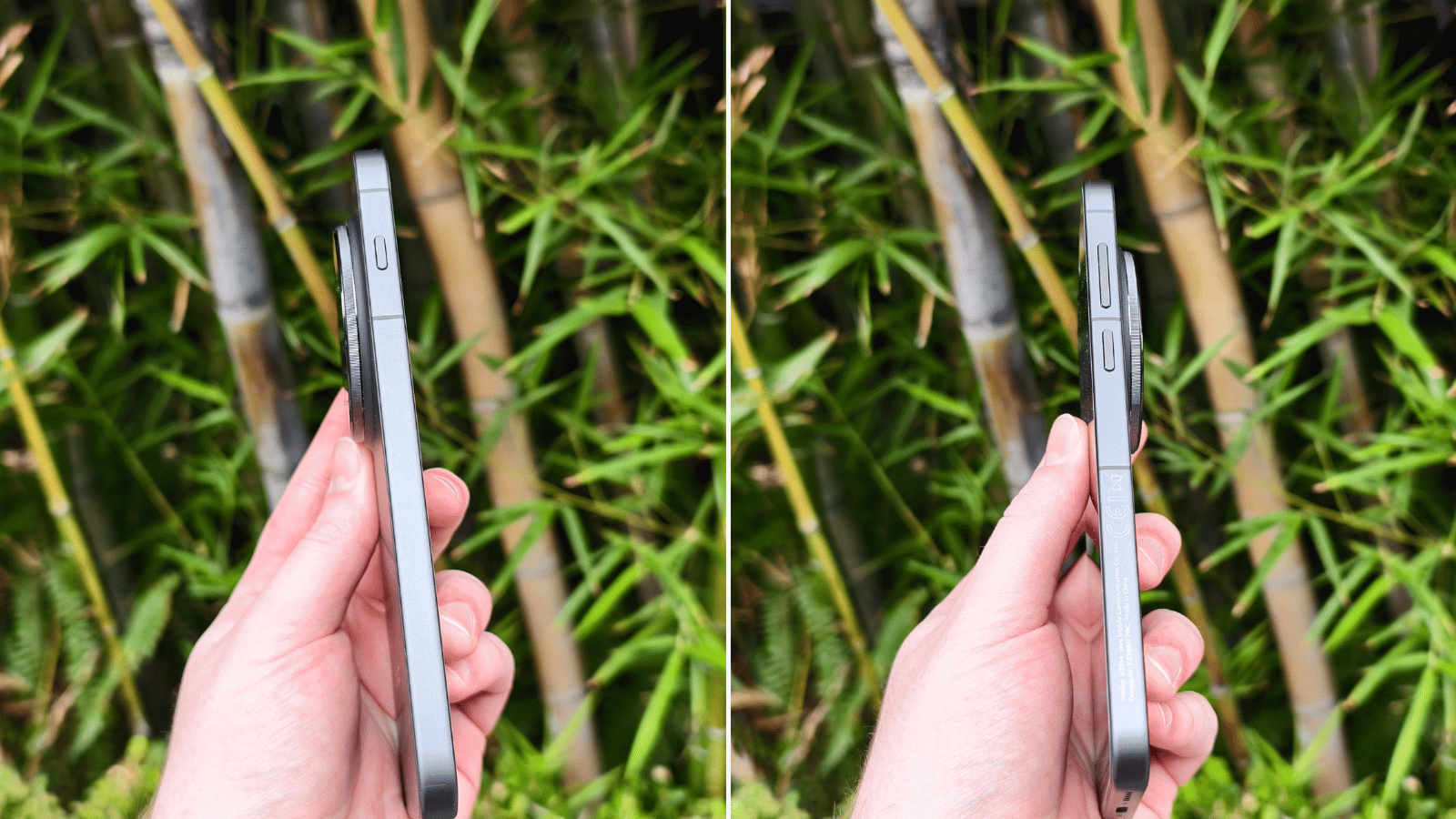
At a quick glance, it’s tough to tell the X300 and X300 Pro apart. When they’re side-by-side, it’s easier to notice the latter’s larger 6.78in LTPO AMOLED display. For smaller hands, the X300 employs a similarly-equipped yet smaller 6.31in screen.
The pair’s batteries also differ, although we challenge anyone to spot that difference from just a glance. The X300 Pro houses a 6,510mAh silicon-carbon cell. That’s reduced to 6,040mAh in the base X300. While those can’t claim to be the largest batteries in the game, Vivo is confident that its efficiency optimisations will keep its devices on par with larger capacity smartphones.
So, when can you get one?
While Vivo’s X300 series is available for order in China, South Africa will have to wait until early next year to get our hands on them. It’s not confirmed that both devices will make it to South Africa. Only the X200 Pro from the previous generation showed up locally this year, so it’s likely the X300 Pro will take its place next year.
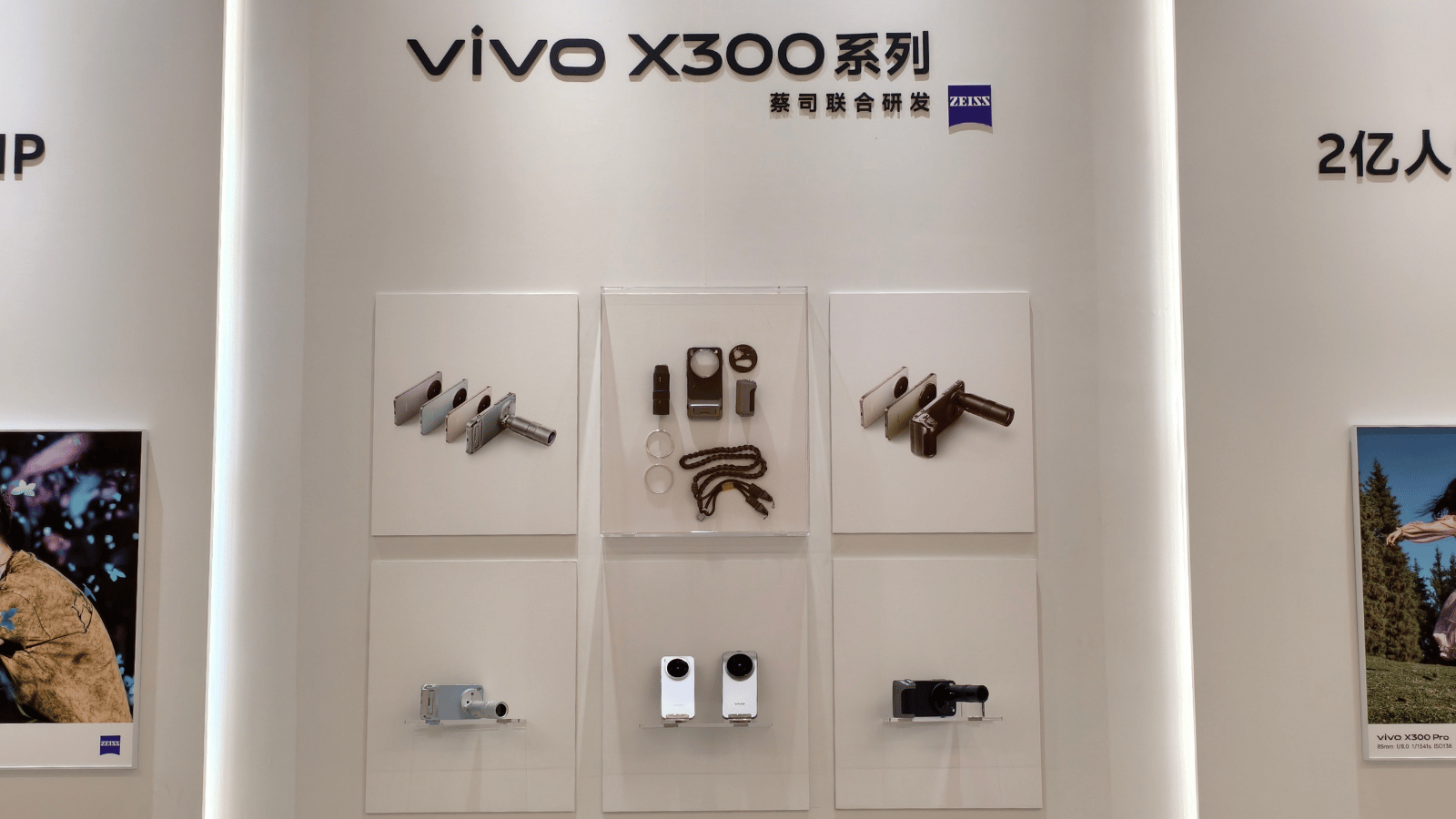
Although if it launches with the same price of R40,000, we’re hoping the base X300 joins it to soften the blow and allow more folks the chance to experience Vivo’s flagship smartphones. It’s also unlikely that the pair’s telephoto extender kit shows up locally, but that won’t stop us from hoping it does.
In China, the Vivo X300 starts at ¥4,400, or R10,850 directly converted, while the X300 Pro will fetch at least ¥5,300, or R13,000. There is absolutely no chance that we’ll see anything close to those prices when (and if) they launch here.