
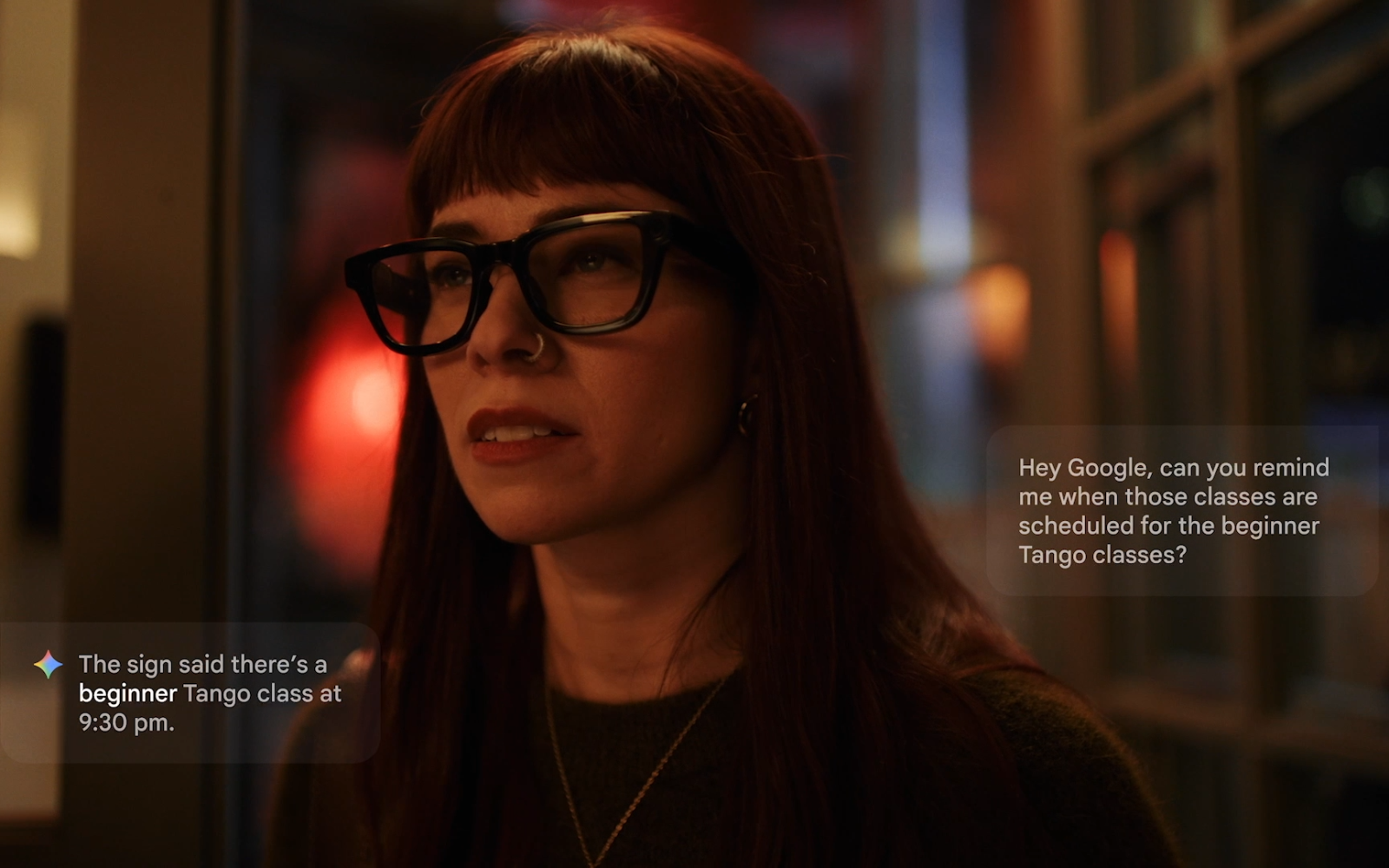
It was only a matter of time before Google stuck artificial intelligence (AI) inside a pair of face-hugging smart glasses (again), and that time is now. During the Android Show (XR Edition), the search giant announced two pairs of glasses equipped with Gemini — one featuring a display and one without, bridging two price points. And then there’s Project Aura from Xreal, leveraging Google’s XR platform in a semi-lightweight form factor.
Google took the opportunity to showcase some new features headed to its mixed reality OS, which is being released today for Samsung’s Galaxy XR headset. That includes a new travel mode that’ll keep your virtual screens still, even if you’re rocking to the beat of a plane. It’ll even create a ‘Likeness’ for you — mimicking the Vision Pro’s Personas — to handle video calls when you’re on the go. Finally, there’s PC Connect for multitasking with a nearby Windows PC.
Mom! Google’s Aura farming again
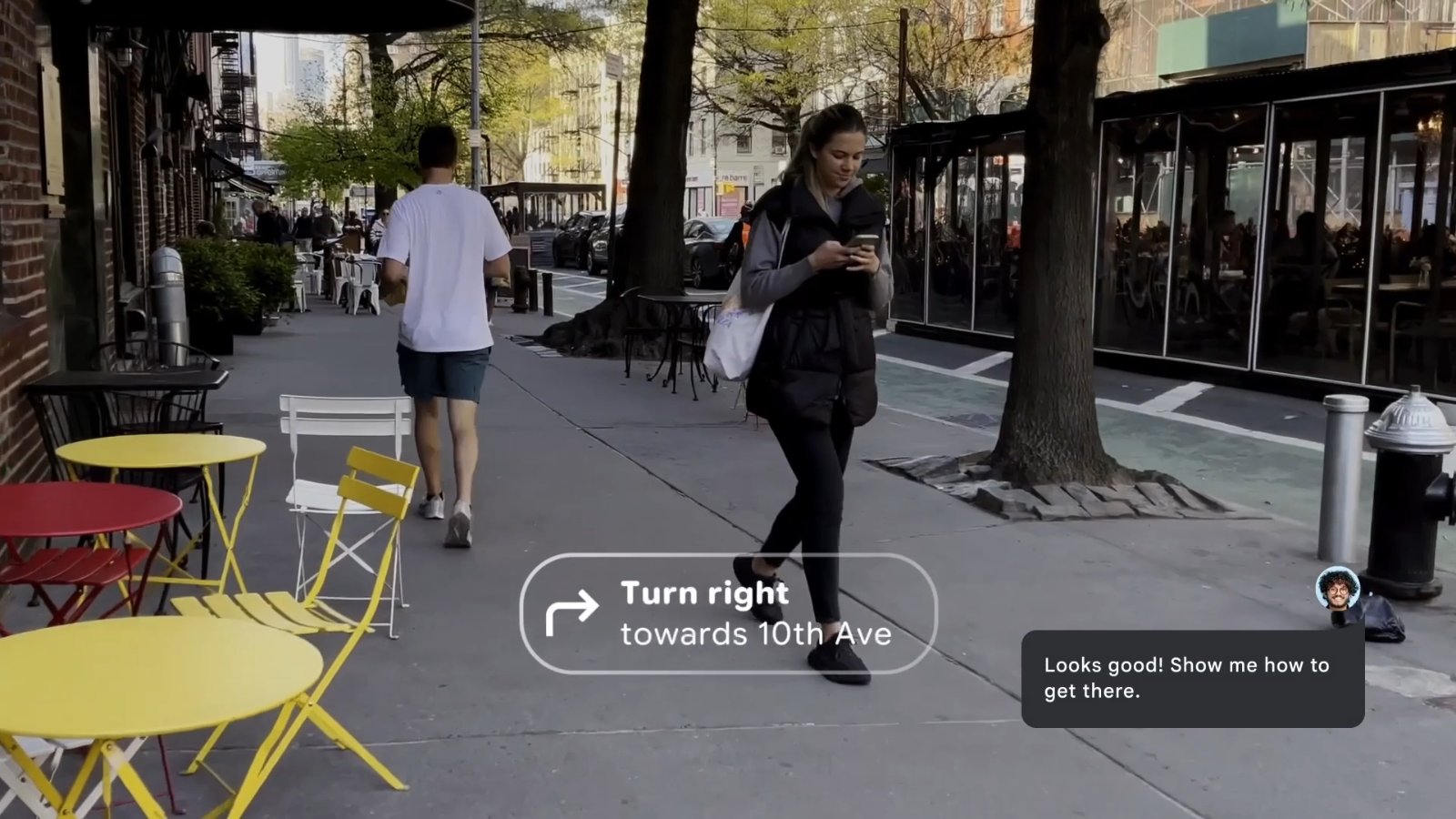
Still, we’re infinitely more interested in the hardware. The cheaper, display-less glasses will do all the things you’d expect them to now that Meta has set the standard. It packs in cameras, speakers, and microphones — with Gemini running the show. Just snap a picture, and Gemini can attempt to answer questions about your surroundings.
Unsurprisingly, the display model does all the same things, but with a screen that’ll offer more features, like live translations or in-world directions. Both sets of glasses will need a smartphone handy to handle the processing. Google’s partnered with Samsung, Warby Parker, and Gentle Monster to help design the glasses, which should mean they’ll at least be comfortable as they battle Meta.
The first pair of glasses is expected to debut sometime in 2026, though Google didn’t commit to a hard date.
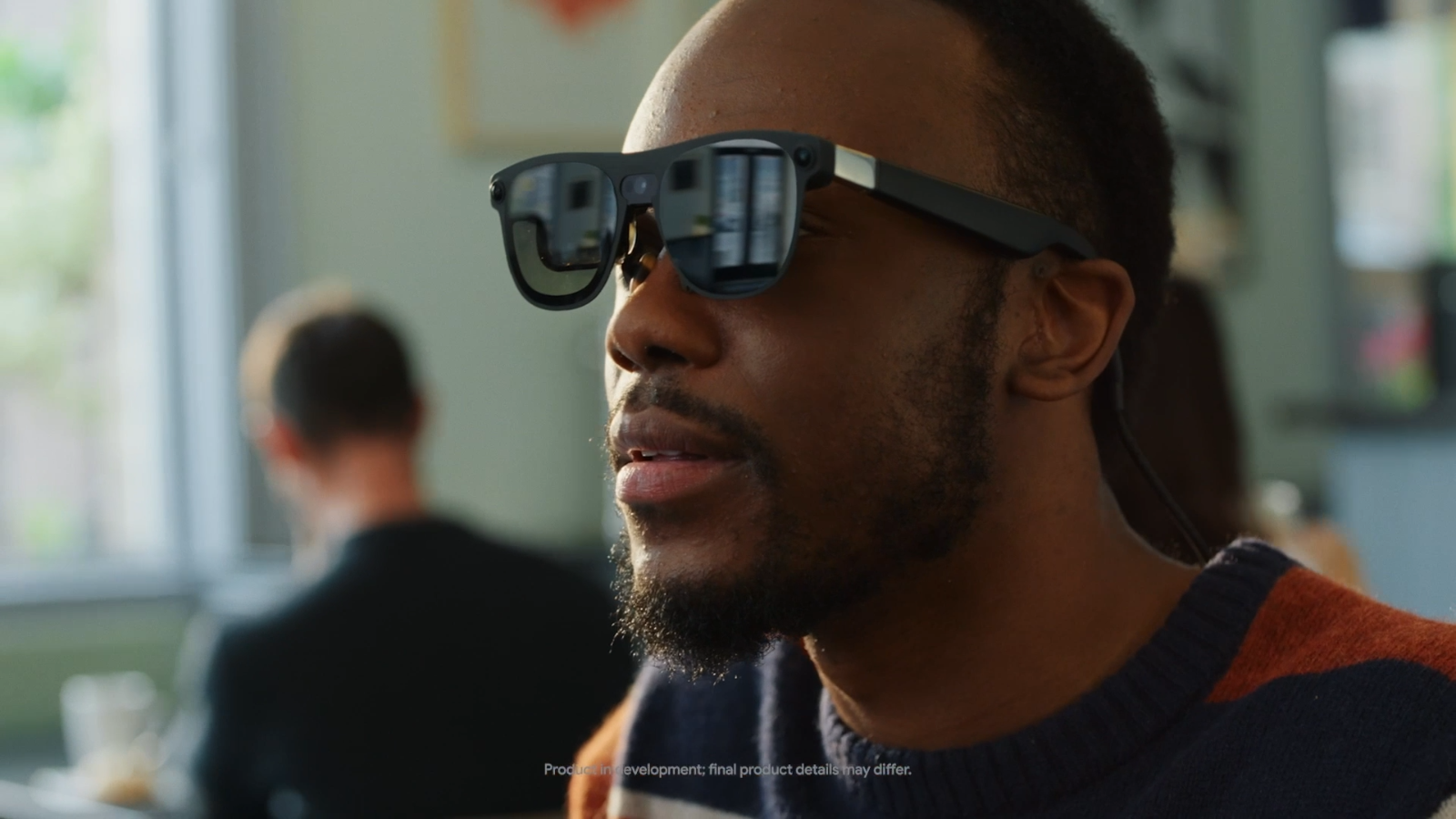
More interesting is Project Aura, the latest wired mixed reality headset from Xreal that’ll use Google’s XR OS and is reliant on a battery pack. Like its Xreal One AR glasses, it’ll offer a computer-like experience without weighing the user’s head down much. “Equipped with a 70-degree field of view and optical see-through technology, these devices layer digital content directly onto your view of the physical world,” Google wrote.
We’ll have to wait until 2026 before we get more news on both Google’s smart AI glasses and Xreal’s Project Aura, with pricing and exact specs remaining a mystery for now. On the glasses front, we doubt it’ll top the likes of Meta’s Ray-Ban Display, which can be picked up for $800 (∼R13,600), which is still a decent chunk of change for many. But if Google can undercut that market, it may have a winner on its hands.