
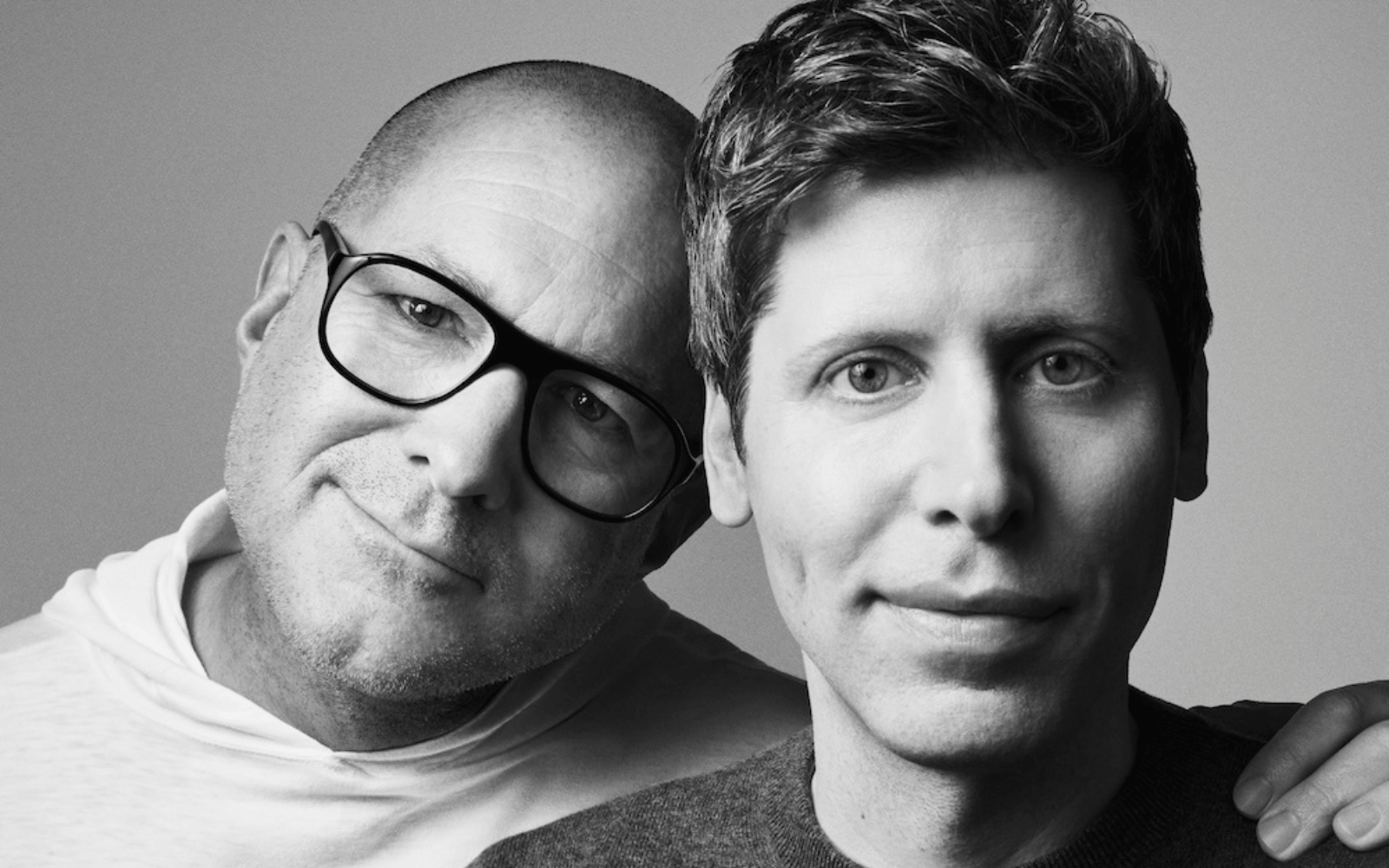
Dedicated AI-powered devices can be a mixed bag. That’s a fact that OpenAI and former Apple design head Jony Ive are contending with as the pair attempt to justify OpenAI’s $6.5 billion acquisition of io, when the latter has yet to release a single product.
OpenAI and Ive are facing developmental issues as they try to bring a supposedly always-on AI-powered device to market, the Financial Times (FT) reported.
No repeating Humane and Rabbit Inc.’s mistakes
The initial plan centred around creating a screenless, smartphone-sized device that would use microphones and cameras to take audio and visual cues from the user’s environment.
However, the FT reports that “people familiar with their plans” have said OpenAI and Ive are yet to solve some critical problems with the project that could push its 2026 release date back. These problems include the assistant’s “personality”, the amount of computing infrastructure needed, and privacy issues.
There have been dedicated AI-powered devices before (although most of those didn’t stick around for long before turning into dumpster fires), and OpenAI recently released a reasoning model that doesn’t need to be powered by a data centre. But its requirements are still far too high to fit into a palm-sized consumer-ready device.
Read More: OpenAI is actively seeking a head of advertising and monetisation
For the device’s “personality”, according to the FT’s sources, the struggle has been “preventing [the assistant] from talking too much or not knowing when to finish the conversation.” Its “voice” and mannerisms also presented challenges.
Then there are the privacy concerns, owing to the fact that the device will supposedly be ‘always-on’, rather than requiring a wake word like Siri or Alexa. The virtual assistant would build up its “memory” by gathering data from its microphone and camera.
What could go wrong?